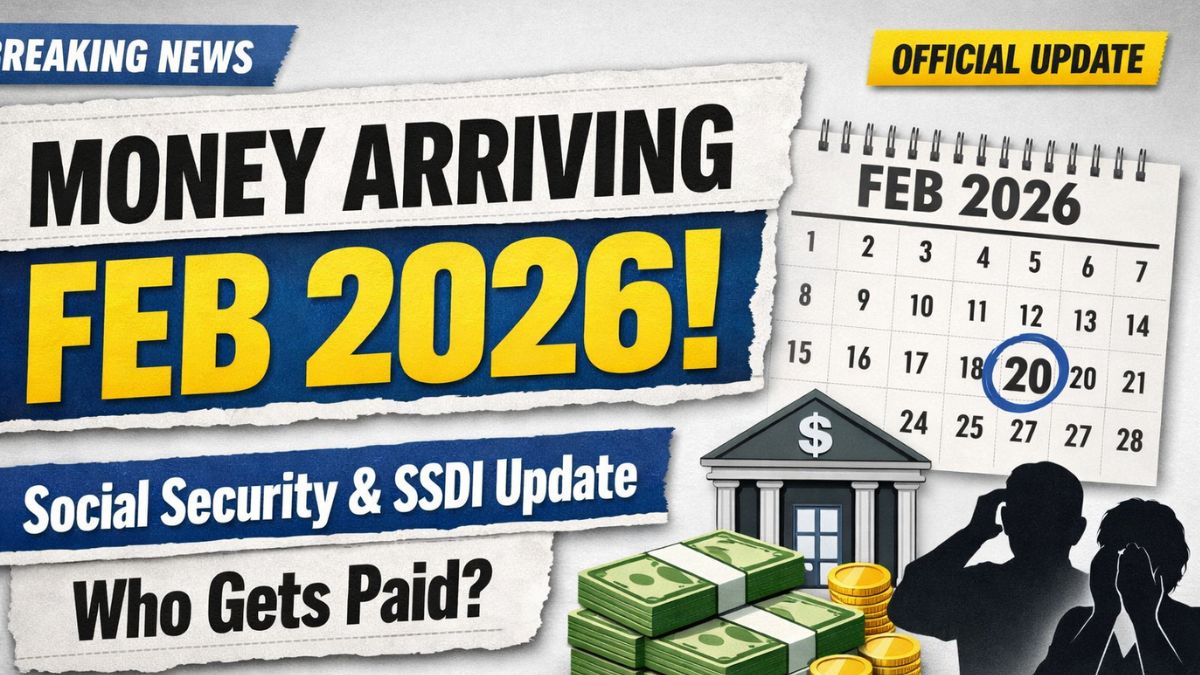
February 2026 is an important payment month for millions of people who depend on Social Security retirement and SSDI disability benefits. Many beneficiaries closely watch their bank accounts around this time because these monthly deposits help cover essential living costs such as housing, food, utilities, and medical expenses. Knowing when your payment is scheduled, how yearly adjustments affect your benefit, and what deductions might apply can help you plan your finances with more confidence and less stress.
All retirement and disability benefit payments are issued through the Social Security Administration using a fixed monthly schedule. While the system is structured and predictable, payment timing still varies depending on a few personal factors. Understanding how that timing works is the first step toward avoiding confusion.
How the February 2026 Social Security Payment Schedule Works
Social Security and SSDI payments are not sent to everyone on the same day. Instead, the payment date is determined mainly by two things: when you first started receiving benefits and the day of the month you were born.

People who began receiving benefits before May 1997 are typically paid near the beginning of each month. This group follows an older payment rule that places their deposit earlier than most other beneficiaries.
For people who started benefits after that date, the payment calendar is organized by birth date. Beneficiaries born in the first third of the month usually receive their payment on the second Wednesday. Those born in the middle part of the month are generally paid on the third Wednesday. Individuals with birthdays in the final part of the month are usually paid on the fourth Wednesday. This pattern continues consistently from month to month, including February 2026.
SSDI payments follow this same birth-date structure in most cases. However, individuals who receive both SSDI and SSI often follow a different payment pattern, since SSI is normally paid at the start of each month. When both benefits are involved, deposit timing can look slightly different.
यह भी पढ़े:
 February 2026 Federal $2000 Deposit: Full Guide to Timing, Eligibility, and Payment Process
What the 2026 Cost of Living Adjustment Means for Your February Deposit
Each year, benefits are updated through a Cost of Living Adjustment, commonly called COLA. This adjustment is designed to help benefits keep up with inflation and rising everyday costs. The new adjusted payment amount begins in January, which means February 2026 deposits already include the updated figure.
Because of this adjustment, many beneficiaries will notice that their gross monthly benefit is higher than it was last year. The actual increase varies from person to person because it is based on your individual benefit amount. Someone with a larger base benefit will see a larger dollar increase than someone with a smaller one, even though the percentage adjustment is the same.
Even with the COLA increase, it is still important to review your actual deposit amount rather than assuming the full increase will appear in your bank account unchanged. Deductions can affect the final number.

Why Medicare Premium Deductions May Change Your Net Payment
Many Social Security beneficiaries are enrolled in Medicare Part B. For these individuals, the monthly Part B premium is usually deducted automatically from their Social Security payment before the money is deposited. If Medicare premiums rise in 2026, the deduction amount will also rise.
This creates a situation where your total benefit may have increased due to COLA, but your take-home deposit may not rise by as much as expected. In some cases, it may appear only slightly higher than last year’s payment. This can surprise beneficiaries who only look at the COLA announcement and not at the deduction side.
Reviewing your benefit statement or annual notice is the best way to understand exactly how much is being deducted and why your net deposit looks the way it does.

Are There Any Confirmed Stimulus Payments in February 2026
There has been a lot of online discussion about possible federal stimulus payments in 2026. As of now, there is no officially approved universal stimulus payment scheduled for February 2026. Any nationwide stimulus program would require formal legislation and a public government announcement before payments could be issued.
Rumors often spread quickly on social media and video platforms, especially when they mention large payment amounts. Beneficiaries should be careful about trusting unverified claims. Relying on official government sources is the safest approach when checking for payment news.
The Best Way to Check Your Payment Status and Amount
The most reliable way to confirm your payment date and benefit amount is through your official Social Security online account. This account allows beneficiaries to see scheduled payment dates, benefit letters, and deduction details. It also shows historical payment records, which can be useful for budgeting and verification.

Direct deposit continues to be the fastest and most secure payment method. Beneficiaries who use direct deposit usually receive funds on the scheduled date without mailing delays. If you still receive paper checks, switching to electronic deposit can reduce risk and speed up access to your money.
If there is ever a delay beyond the expected payment date, checking your online account first can often answer your question without needing a phone call.
Why Payment Scams Increase Around Benefit Dates
Whenever benefit payments or rumored stimulus checks are widely discussed, scam activity tends to increase. Fraudsters may pretend to be officials and contact beneficiaries by phone, text, or email. They often claim there is a problem with your payment and request personal or banking information to “fix” it.
यह भी पढ़े:
 Big Relief Alert: Social Security February 11 Payment Schedule Explained Clearly for Beneficiaries
Beneficiaries should remember that government agencies do not ask for sensitive personal data or fees to release payments. Unexpected messages requesting account numbers, passwords, or identification details should be treated with caution. Protecting your Social Security number and financial information is essential.
If something feels suspicious, it is safer to ignore the message and contact official support channels directly.
Conclusion: Staying Prepared for February 2026 Benefit Payments
February 2026 Social Security and SSDI payments will follow the regular monthly schedule based on benefit start date and birth date. Deposits will already include the latest cost of living adjustment, but Medicare deductions and other withholdings can affect the final amount received. There is currently no confirmed nationwide stimulus payment for this month, so beneficiaries should be cautious about rumors.
यह भी पढ़े:
 New 2026 Social Security Filing Guide: What Future Retirees Need to Know Before Claiming Benefits
Staying informed through official sources, reviewing your benefit statements, and monitoring your payment schedule can help you manage your finances with greater clarity and confidence.
Disclaimer
This article is for general informational purposes only. Payment dates, benefit amounts, deductions, and eligibility rules depend on individual circumstances and official government guidelines. Beneficiaries should always verify details through their official Social Security account or authorized government customer service channels.